
Vision Sensor (School Edition): value & command reference
Back to Vision Sensor (School Edition)
Every value and command the Vision Sensor (School Edition) reports to each host: what it means, its range, and how to read it on SPIKE / EV3 / Arduino I2C / mBlock / MATRIX / micro:bit. Append ?host=spike (or ev3, arduino, mblock, matrix, microbit) to the URL to expand that host by default.
SPIKEEV3Arduino I2CmBlockMATRIXmicro:bit
| Item | Detail |
|---|---|
| Factory I2C address | 0x4C |
| hw[0] | 1(F0 high byte; ID high byte in SPIKE mode 8 / EV3 mode 5) |
| Model | CAMSCH |
| Protocol version | 2 |
| Hosts | SPIKE, EV3, Arduino I2C, mBlock, micro:bit |
Values at a glance
| Id | Value | Range | SPIKE | EV3 | Arduino I2C | mBlock | micro:bit |
|---|---|---|---|---|---|---|---|
01 |
hue | -1~100 | ✓ | ✓ | ✓ | ✓ | ✓ |
02 |
saturation | 0~100 | ✓ | ✓ | ✓ | ✓ | ✓ |
03 |
brightness | 0~100 | ✓ | ✓ | ✓ | ✓ | ✓ |
04 |
motion | 0~100 | ✓ | ✓ | ✓ | ✓ | ✓ |
05 |
blob X | 0~100 | ✓ | ✓ | ✓ | ✓ | ✓ |
06 |
blob Y | 0~75 | ✓ | ✓ | ✓ | ✓ | ✓ |
07 |
blob width | 0~100 | ✓ | ✓ | ✓ | ✓ | ✓ |
08 |
blob height | 0~75 | ✓ | ✓ | ✓ | ✓ | ✓ |
09 |
blob area | 0~7500 | ✓ | — | ✓ | ✓ | ✓ |
0A |
blob found | 0~1 | — | — | ✓ | ✓ | ✓ |
✓ = available on that host; — = not sent.
Reading each value
01 hue hue
| Item | Detail |
|---|---|
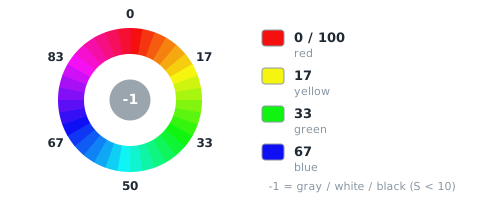
| Meaning | hue of sample point S1, 0 |
| Range | -1~100 |
| I2C / mBlock id | 01 |
| Locked | 🔒 LEGO mode layout will not change |
How to read it
SPIKE
mode 0 (edu) byte 0 🔒; mode 0 (toy) byte 1 🔒; mode 5 v[0] 🔒; mode 9 v[0] lo 🔒. Note: −1 = 0xFF; 0~10(÷10); raw = (色相×256 ± 128)/25 ≈ 色相×10.24,v[0]=v[1]=v[2];Pybricks reflection() ÷10.24 還原
from pybricks.iodevices import PUPDevice
from pybricks.parameters import Port

dev = PUPDevice(Port.A)   # sensor on port A

w = dev.read(9)[0]
hue = (w & 0xFF)   # hue(lo byte)
MBC library
from pybricks.parameters import Port
from MBC_cam_school_Lib import MBC_CAM_SCHOOL

cam = MBC_CAM_SCHOOL(Port.A)
hue = cam.hue()
EV3
mode 0 · int8 · IR-PROX 1×int8; mode 1 · int8 · IR-SEEK [色相, 飽和, 明度, 動態, X, Y, W, H]; mode 2 · int8 · IR-REMOTE [色相, 飽和, 明度, 動態]; mode 3 · int16 · IR-REM-A 1×int16(#65 已修成正確符號延伸,−1 = 0xFFFF); mode 5 · int16 · IR-CAL [色相, 飽和] 2×int16 (locked mode: firmware and hosts will not change it)
from pybricks.iodevices import LUMPDevice
from pybricks.parameters import Port

sensor = LUMPDevice(Port.S1)   # sensor on port 1

hue = sensor.read(0)[0]   # hue:-1~100
hue = sensor.read(1)[0]   # hue:-1~100
hue = sensor.read(2)[0]   # hue:-1~100
hue = sensor.read(3)[0]   # hue:-1~100
hue = sensor.read(5)[0]   # hue:-1~100
' clev3r (BASIC)
Sensor.SetMode(1, 0)
hue = Sensor.ReadRawValue(1, 0)
Sensor.SetMode(1, 1)
hue = Sensor.ReadRawValue(1, 0)
Sensor.SetMode(1, 2)
hue = Sensor.ReadRawValue(1, 0)
Sensor.SetMode(1, 3)
hue = Sensor.ReadRawValue(1, 0)
Sensor.SetMode(1, 5)
hue = Sensor.ReadRawValue(1, 0)Arduino I2C
Returns MBC_NONE (−32768) when the module does not answer.
int16_t hue = mbcRead(0x4C, 0x01); // hue:-1~100mBlock
Block returns hue(-1~100)。Host sends [01] → reply [lo][hi][01 ^ lo ^ hi], value = int16 little-endian.
(SharpShot Vision (legacy) port [1 v] hue :: sensing)
micro:bit
Returns 0 when the sensor does not answer; check with "device at … is ready" first.
(camera colour [hue v] :: #00A4E4)
let hue = mbc.camColor(MbcCamColor.Hue) // hue:-1~100Related block "camera colour is black / white / grey"
let camIsGrey = mbc.camIsGrey()02 saturation saturation
| Item | Detail |
|---|---|
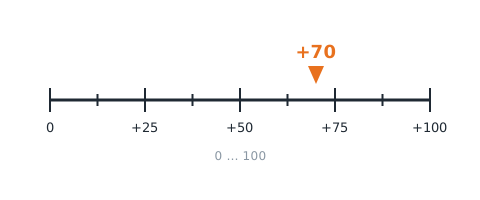
| Meaning | saturation of sample point S1, 0~100 |
| Range | 0~100 |
| I2C / mBlock id | 02 |
| Locked | 🔒 LEGO mode layout will not change |
How to read it
SPIKE
mode 9 v[0] hi 🔒
from pybricks.iodevices import PUPDevice
from pybricks.parameters import Port

dev = PUPDevice(Port.A)   # sensor on port A

w = dev.read(9)[0]
saturation = ((w >> 8) & 0xFF)   # saturation(hi byte)
MBC library
from pybricks.parameters import Port
from MBC_cam_school_Lib import MBC_CAM_SCHOOL

cam = MBC_CAM_SCHOOL(Port.A)
saturation = cam.saturation()
EV3
mode 1 · int8; mode 2 · int8; mode 5 · int16 (locked mode: firmware and hosts will not change it)
from pybricks.iodevices import LUMPDevice
from pybricks.parameters import Port

sensor = LUMPDevice(Port.S1)   # sensor on port 1

saturation = sensor.read(1)[1]   # saturation:0~100
saturation = sensor.read(2)[1]   # saturation:0~100
saturation = sensor.read(5)[1]   # saturation:0~100
' clev3r (BASIC)
Sensor.SetMode(1, 1)
saturation = Sensor.ReadRawValue(1, 1)
Sensor.SetMode(1, 2)
saturation = Sensor.ReadRawValue(1, 1)
Sensor.SetMode(1, 5)
saturation = Sensor.ReadRawValue(1, 1)Arduino I2C
Returns MBC_NONE (−32768) when the module does not answer.
int16_t saturation = mbcRead(0x4C, 0x02); // saturation:0~100mBlock
Block returns saturation(0~100)。Host sends [02] → reply [lo][hi][02 ^ lo ^ hi], value = int16 little-endian.
(SharpShot Vision (legacy) port [1 v] saturation :: sensing)
micro:bit
Returns 0 when the sensor does not answer; check with "device at … is ready" first.
(camera colour [saturation v] :: #00A4E4)
let saturation = mbc.camColor(MbcCamColor.Saturation) // saturation:0~10003 brightness value
| Item | Detail |
|---|---|
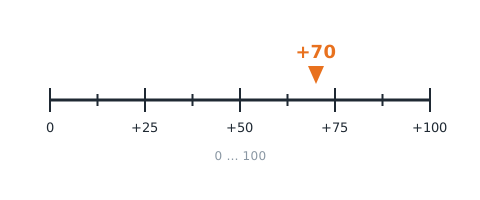
| Meaning | brightness (HSV value) of sample point S1, 0~100 |
| Range | 0~100 |
| I2C / mBlock id | 03 |
| Locked | 🔒 LEGO mode layout will not change |
How to read it
SPIKE
mode 9 v[1] lo 🔒
from pybricks.iodevices import PUPDevice
from pybricks.parameters import Port

dev = PUPDevice(Port.A)   # sensor on port A

w = dev.read(9)[1]
value = (w & 0xFF)   # brightness(lo byte)
MBC library
from pybricks.parameters import Port
from MBC_cam_school_Lib import MBC_CAM_SCHOOL

cam = MBC_CAM_SCHOOL(Port.A)
value = cam.brightness()
EV3
mode 1 · int8; mode 2 · int8 (locked mode: firmware and hosts will not change it)
from pybricks.iodevices import LUMPDevice
from pybricks.parameters import Port

sensor = LUMPDevice(Port.S1)   # sensor on port 1

value = sensor.read(1)[2]   # brightness:0~100
value = sensor.read(2)[2]   # brightness:0~100
' clev3r (BASIC)
Sensor.SetMode(1, 1)
value = Sensor.ReadRawValue(1, 2)
Sensor.SetMode(1, 2)
value = Sensor.ReadRawValue(1, 2)Arduino I2C
Returns MBC_NONE (−32768) when the module does not answer.
int16_t value = mbcRead(0x4C, 0x03); // brightness:0~100mBlock
Block returns brightness(0~100)。Host sends [03] → reply [lo][hi][03 ^ lo ^ hi], value = int16 little-endian.
(SharpShot Vision (legacy) port [1 v] brightness :: sensing)
micro:bit
Returns 0 when the sensor does not answer; check with "device at … is ready" first.
(camera colour [brightness v] :: #00A4E4)
let value = mbc.camColor(MbcCamColor.Brightness) // brightness:0~10004 motion motion
| Item | Detail |
|---|---|
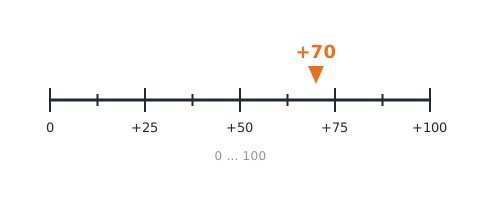
| Meaning | whole-frame motion 0~100 (more change = larger) |
| Range | 0~100 |
| I2C / mBlock id | 04 |
| Locked | 🔒 LEGO mode layout will not change |
How to read it
SPIKE
mode 0 (edu) byte 1 🔒; mode 0 (toy) byte 0 🔒; mode 9 v[1] hi 🔒
from pybricks.iodevices import PUPDevice
from pybricks.parameters import Port

dev = PUPDevice(Port.A)   # sensor on port A

w = dev.read(9)[1]
motion = ((w >> 8) & 0xFF)   # motion(hi byte)
MBC library
from pybricks.parameters import Port
from MBC_cam_school_Lib import MBC_CAM_SCHOOL

cam = MBC_CAM_SCHOOL(Port.A)
motion = cam.motion()
EV3
mode 1 · int8; mode 2 · int8 (locked mode: firmware and hosts will not change it)
from pybricks.iodevices import LUMPDevice
from pybricks.parameters import Port

sensor = LUMPDevice(Port.S1)   # sensor on port 1

motion = sensor.read(1)[3]   # motion:0~100
motion = sensor.read(2)[3]   # motion:0~100
' clev3r (BASIC)
Sensor.SetMode(1, 1)
motion = Sensor.ReadRawValue(1, 3)
Sensor.SetMode(1, 2)
motion = Sensor.ReadRawValue(1, 3)Arduino I2C
Returns MBC_NONE (−32768) when the module does not answer.
int16_t motion = mbcRead(0x4C, 0x04); // motion:0~100mBlock
Block returns motion(0~100)。Host sends [04] → reply [lo][hi][04 ^ lo ^ hi], value = int16 little-endian.
(SharpShot Vision (legacy) port [1 v] motion :: sensing)
micro:bit
Returns 0 when the sensor does not answer; check with "device at … is ready" first.
(camera motion :: #00A4E4)
let motion = mbc.camMotion() // motion:0~10005 blob X blobX
| Item | Detail |
|---|---|
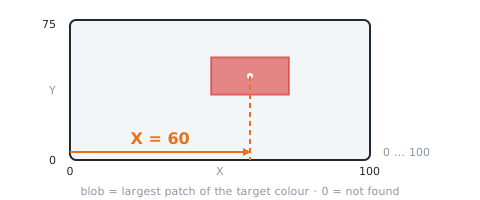
| Meaning | blob centre X 0~100, left = 0; 0 when not found |
| Range | 0~100 |
| I2C / mBlock id | 05 |
| Locked | 🔒 LEGO mode layout will not change |
How to read it
SPIKE
mode 0 (edu) byte 2 🔒; mode 0 (toy) byte 2 🔒; mode 6 v[0]; mode 7 v[2] 🔒; mode 9 v[2] lo 🔒. Note: byte 3 = 0; ×4 查表編碼(10-bit); #67 改:模式 6 = [X, Y, 面積](3×int16); X×100+Y → Pybricks ambient() 顯示 X.Y. From Pybricks 4.1 ambient() keeps only one decimal, so the ones digit of this value is lost: install the MBC library (mode 9) instead
from pybricks.iodevices import PUPDevice
from pybricks.parameters import Port

dev = PUPDevice(Port.A)   # sensor on port A

w = dev.read(9)[2]
blobX = (w & 0xFF)   # blob X(lo byte)
MBC library
from pybricks.parameters import Port
from MBC_cam_school_Lib import MBC_CAM_SCHOOL

cam = MBC_CAM_SCHOOL(Port.A)
blobX = cam.blob_x()
EV3
mode 1 · int8; mode 4 · int8 · IR-S-ALT [X, Y, W, H] (locked mode: firmware and hosts will not change it)
from pybricks.iodevices import LUMPDevice
from pybricks.parameters import Port

sensor = LUMPDevice(Port.S1)   # sensor on port 1

blobX = sensor.read(1)[4]   # blob X:0~100
blobX = sensor.read(4)[0]   # blob X:0~100
' clev3r (BASIC)
Sensor.SetMode(1, 1)
blobX = Sensor.ReadRawValue(1, 4)
Sensor.SetMode(1, 4)
blobX = Sensor.ReadRawValue(1, 0)Arduino I2C
Returns MBC_NONE (−32768) when the module does not answer.
int16_t blobX = mbcRead(0x4C, 0x05); // blob X:0~100mBlock
Block returns blob X(0~100)。Host sends [05] → reply [lo][hi][05 ^ lo ^ hi], value = int16 little-endian.
(SharpShot Vision (legacy) port [1 v] blob X :: sensing)
micro:bit
Returns 0 when the sensor does not answer; check with "device at … is ready" first.
(camera blob [X v] :: #00A4E4)
let blobX = mbc.camBlob(MbcCamBlob.X) // blob X:0~10006 blob Y blobY
| Item | Detail |
|---|---|
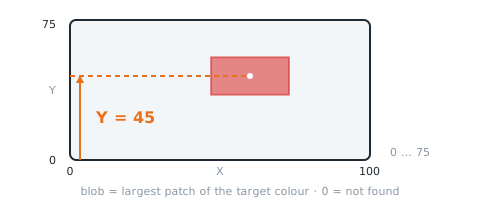
| Meaning | blob centre Y 0~75, bottom = 0, top = 75; 0 when not found |
| Range | 0~75 |
| I2C / mBlock id | 06 |
| Locked | 🔒 LEGO mode layout will not change |
How to read it
SPIKE
mode 0 (edu) byte 4 🔒; mode 0 (toy) byte 4 🔒; mode 6 v[1]; mode 7 v[2] 🔒; mode 9 v[2] hi 🔒. Note: byte 5 = 0; ×4 查表編碼; X×100+Y 的個位/十位. From Pybricks 4.1 ambient() keeps only one decimal, so the ones digit of this value is lost: install the MBC library (mode 9) instead
from pybricks.iodevices import PUPDevice
from pybricks.parameters import Port

dev = PUPDevice(Port.A)   # sensor on port A

w = dev.read(9)[2]
blobY = ((w >> 8) & 0xFF)   # blob Y(hi byte)
MBC library
from pybricks.parameters import Port
from MBC_cam_school_Lib import MBC_CAM_SCHOOL

cam = MBC_CAM_SCHOOL(Port.A)
blobY = cam.blob_y()
EV3
mode 1 · int8; mode 4 · int8 (locked mode: firmware and hosts will not change it)
from pybricks.iodevices import LUMPDevice
from pybricks.parameters import Port

sensor = LUMPDevice(Port.S1)   # sensor on port 1

blobY = sensor.read(1)[5]   # blob Y:0~75
blobY = sensor.read(4)[1]   # blob Y:0~75
' clev3r (BASIC)
Sensor.SetMode(1, 1)
blobY = Sensor.ReadRawValue(1, 5)
Sensor.SetMode(1, 4)
blobY = Sensor.ReadRawValue(1, 1)Arduino I2C
Returns MBC_NONE (−32768) when the module does not answer.
int16_t blobY = mbcRead(0x4C, 0x06); // blob Y:0~75mBlock
Block returns blob Y(0~75)。Host sends [06] → reply [lo][hi][06 ^ lo ^ hi], value = int16 little-endian.
(SharpShot Vision (legacy) port [1 v] blob Y :: sensing)
micro:bit
Returns 0 when the sensor does not answer; check with "device at … is ready" first.
(camera blob [Y v] :: #00A4E4)
let blobY = mbc.camBlob(MbcCamBlob.Y) // blob Y:0~7507 blob width blobW
| Item | Detail |
|---|---|
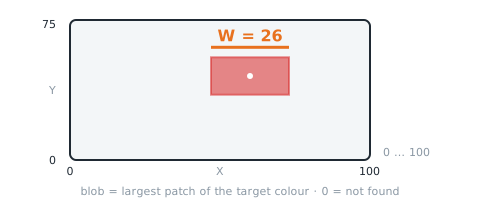
| Meaning | blob width W 0~100; 0 = not found |
| Range | 0~100 |
| I2C / mBlock id | 07 |
| Locked | 🔒 LEGO mode layout will not change |
How to read it
SPIKE
mode 9 v[3] lo 🔒
from pybricks.iodevices import PUPDevice
from pybricks.parameters import Port

dev = PUPDevice(Port.A)   # sensor on port A

w = dev.read(9)[3]
blobW = (w & 0xFF)   # blob width(lo byte)
MBC library
from pybricks.parameters import Port
from MBC_cam_school_Lib import MBC_CAM_SCHOOL

cam = MBC_CAM_SCHOOL(Port.A)
blobW = cam.blob_w()
EV3
mode 1 · int8; mode 4 · int8 (locked mode: firmware and hosts will not change it)
from pybricks.iodevices import LUMPDevice
from pybricks.parameters import Port

sensor = LUMPDevice(Port.S1)   # sensor on port 1

blobW = sensor.read(1)[6]   # blob width:0~100
blobW = sensor.read(4)[2]   # blob width:0~100
' clev3r (BASIC)
Sensor.SetMode(1, 1)
blobW = Sensor.ReadRawValue(1, 6)
Sensor.SetMode(1, 4)
blobW = Sensor.ReadRawValue(1, 2)Arduino I2C
Returns MBC_NONE (−32768) when the module does not answer.
int16_t blobW = mbcRead(0x4C, 0x07); // blob width:0~100mBlock
Block returns blob width(0~100)。Host sends [07] → reply [lo][hi][07 ^ lo ^ hi], value = int16 little-endian.
(SharpShot Vision (legacy) port [1 v] blob width :: sensing)
micro:bit
Returns 0 when the sensor does not answer; check with "device at … is ready" first.
(camera blob [width v] :: #00A4E4)
let blobW = mbc.camBlob(MbcCamBlob.Width) // blob width:0~10008 blob height blobH
| Item | Detail |
|---|---|
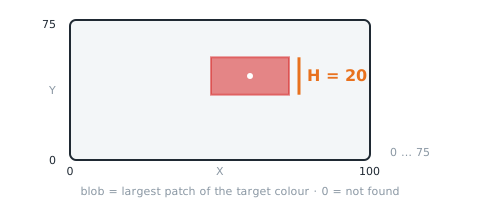
| Meaning | blob height H 0~75; 0 when not found |
| Range | 0~75 |
| I2C / mBlock id | 08 |
| Locked | 🔒 LEGO mode layout will not change |
How to read it
SPIKE
mode 9 v[3] hi 🔒
from pybricks.iodevices import PUPDevice
from pybricks.parameters import Port

dev = PUPDevice(Port.A)   # sensor on port A

w = dev.read(9)[3]
blobH = ((w >> 8) & 0xFF)   # blob height(hi byte)
MBC library
from pybricks.parameters import Port
from MBC_cam_school_Lib import MBC_CAM_SCHOOL

cam = MBC_CAM_SCHOOL(Port.A)
blobH = cam.blob_h()
EV3
mode 1 · int8; mode 4 · int8 (locked mode: firmware and hosts will not change it)
from pybricks.iodevices import LUMPDevice
from pybricks.parameters import Port

sensor = LUMPDevice(Port.S1)   # sensor on port 1

blobH = sensor.read(1)[7]   # blob height:0~75
blobH = sensor.read(4)[3]   # blob height:0~75
' clev3r (BASIC)
Sensor.SetMode(1, 1)
blobH = Sensor.ReadRawValue(1, 7)
Sensor.SetMode(1, 4)
blobH = Sensor.ReadRawValue(1, 3)Arduino I2C
Returns MBC_NONE (−32768) when the module does not answer.
int16_t blobH = mbcRead(0x4C, 0x08); // blob height:0~75mBlock
Block returns blob height(0~75)。Host sends [08] → reply [lo][hi][08 ^ lo ^ hi], value = int16 little-endian.
(SharpShot Vision (legacy) port [1 v] blob height :: sensing)
micro:bit
Returns 0 when the sensor does not answer; check with "device at … is ready" first.
(camera blob [height v] :: #00A4E4)
let blobH = mbc.camBlob(MbcCamBlob.Height) // blob height:0~7509 blob area blobArea
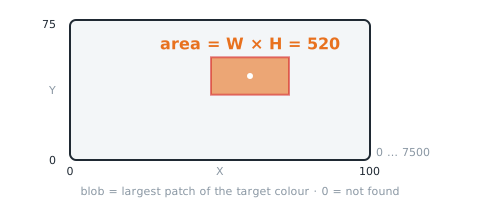
| Item | Detail |
|---|---|
| Meaning | W×H (0~7500); 0 when not found |
| Range | 0~7500 |
| I2C / mBlock id | 09 |
How to read it
SPIKE
mode 0 (edu) byte 6 🔒; mode 0 (toy) byte 6 🔒; mode 6 v[2]; mode 9 v[4] 🔒. Note: 鎖住:這裡是 map(像素面積, 05000, 0100),不是 W×H;byte 7 = 0; 同上 0100 再 ×4 查表編碼; W×H; #67 新增:byte 89 = W×H(原本 0);其餘 byte 不動
from pybricks.iodevices import PUPDevice
from pybricks.parameters import Port

dev = PUPDevice(Port.A)   # sensor on port A

blobArea = dev.read(9)[4]   # blob area
MBC library
from pybricks.parameters import Port
from MBC_cam_school_Lib import MBC_CAM_SCHOOL

cam = MBC_CAM_SCHOOL(Port.A)
blobArea = cam.area()
EV3
Not sent in any EV3 mode (the locked EV3 modes stay as they are). Use Arduino I2C / mBlock if you need it.
Arduino I2C
Returns MBC_NONE (−32768) when the module does not answer.
int16_t blobArea = mbcRead(0x4C, 0x09); // blob area:0~7500mBlock
Block returns blob area(0~7500)。Host sends [09] → reply [lo][hi][09 ^ lo ^ hi], value = int16 little-endian.
(SharpShot Vision (legacy) port [1 v] blob area :: sensing)
micro:bit
Returns 0 when the sensor does not answer; check with "device at … is ready" first.
(camera blob [area v] :: #00A4E4)
let blobArea = mbc.camBlob(MbcCamBlob.Area) // blob area:0~75000A blob found found
| Item | Detail |
|---|---|
| Meaning | 1 = a blob of the target colour is in view (W > 0), 0 = none |
| Range | 0~1 |
| I2C / mBlock id | 0A |
How to read it
SPIKE
Not sent in any SPIKE mode (locked modes stay as they are). Use Arduino I2C / mBlock if you need it.
EV3
Not sent in any EV3 mode (the locked EV3 modes stay as they are). Use Arduino I2C / mBlock if you need it.
Arduino I2C
Returns MBC_NONE (−32768) when the module does not answer.
int16_t found = mbcRead(0x4C, 0x0A); // blob found:0~1mBlock
Block returns blob found(0~1)。Host sends [0A] → reply [lo][hi][0A ^ lo ^ hi], value = int16 little-endian.
(SharpShot Vision (legacy) port [1 v] blob found? :: sensing)
micro:bit
Returns false when the sensor does not answer.
let found = mbc.camFound() // blob found:0~1Related block "on camera blob [found]"
mbc.onCamBlob(MbcCamEvent.Found, function () {
})
Status flags F3
One status per bit of F3; read directly over I2C, mBlock, micro:bit.
| bit | Name | Meaning |
|---|---|---|
| b0 | ready (ready) |
always 1 (values freeze while the camera menu is open) |
| b1 | blob found (found) |
same as value 0A |
SPIKE
SPIKE has no F3 flags; mode 8 returns ID / version. The official app cannot read mode 8.
from pybricks.iodevices import PUPDevice
from pybricks.parameters import Port

dev = PUPDevice(Port.A)   # sensor on port A

id_word, proto, fw, seq = dev.read(8)   # mode 8: [ID | hw0<<8, protocol 2, major×100+minor, counter]
addr = id_word & 0xFF   # 0x4C
hw0 = id_word >> 8      # 1
EV3
EV3 has no F3 flags; mode 5 returns the device ID and firmware version (ID format B).
from pybricks.iodevices import LUMPDevice
from pybricks.parameters import Port

sensor = LUMPDevice(Port.S1)   # sensor on port 1

id_word, fw = sensor.read(5)   # mode 5: [ID | hw0<<8, major×100+minor]
addr = id_word & 0xFF             # 0x4C
hw0 = id_word >> 8                # 1
Arduino I2C
int16_t st = mbcRead(0x4C, 0xF3);
bool ready = st & (1 << 0);   // ready
bool found = st & (1 << 1);   // blob found
mBlock
The extension splits status flags F3 into boolean blocks (ready, calibrating, …).
micro:bit
let ready = mbc.deviceReady(0x4C)   // F3 bit0; false when nothing answers
let st = mbc.status(0x4C)   // F3
Shared registers and commands
Identical on every product, documented once in the universal I2C protocol:
| Id | Name | Meaning |
|---|---|---|
F0 |
device ID | low byte = factory I2C address (unchanged after re-addressing), high byte = hw[0] (channels / sensors / variant) |
F1 |
protocol version | 2 for this release (same number reported in SPIKE mode 8 v[1]) |
F2 |
firmware version | major×100 + minor (e.g. 102 = 1.2) |
F3 |
status flags | b0 = ready; other bits per product (see flags) |
F4 |
update counter | +1 every 10 ms snapshot, wraps 0~255 (2.56 s per cycle, not usable for reboot detection; frozen = module busy) |
F5 |
uptime seconds | seconds since boot, saturates at 32767 (~9 h); a drop means the module rebooted |
F8 |
change I2C address | [F8][new 0x08 |
EF |
reboot | [EF][0xA5]; mBlock sends ACK first, then reboots |
Sources and assumptions
Generated by _build/gen-reference.mjs from _build/protocol/cam_school.json (single source of truth, transcribed from the 2026-10-21 protocol decisions).
- hw0 = 1(共識 #6:神攝手 1 = 學校版);model 字串 CAMSCH 照任務指定(韌體原本沒有型號欄位)。
- D4:I2C 0x4C 用 SDA = IO3、SCL = IO1(沿 PS4 Wire.setPins 慣例),與 EV3/SPIKE 串口模式二選一編譯;ESP32 從機不能時脈延展,onReceive 預載 32 B;頁面標「硬體已確認,上機待測」。mBlock 用同一組腳 Serial.begin(38400, SERIAL_8N1, 3, 1)。
- EV3 六個模式全部鎖住照盤點(模式 3/5 的 −1 已在 #65 修成符號延伸);EV3 定案最後的 golden 備註把 cam_school 列進「模式 5 改 ID」是筆誤(定案表本身寫「—」;模式 5 仍是 [色相, 飽和]),所以 ev3IdMode = null。
- SPIKE 模式 9 鎖住,只有 byte 8
9(v[4])從 0 改成面積 W×H;模式 6 改 [X, Y, 面積];模式 8 = [0x4C | 1<<8, 2, 韌體版, 更新序號];模式 14 維持 0。 - SPIKE 模式 0 的「面積」是 map(像素面積 0
5000 → 0100),跟值表 09 的 W×H 不同,鎖住不改(照盤點)。 - mVision:N = 10(idx 0~9),色相 −1 送 255;每 20 ms 一包(B-6);不做 0x22(hosts.matrix = false)。
- 0A 有找到色塊 = W > 0(盤點:W 0 = 沒找到);F3 b1 同這個值。
- 值 05~08 的「沒找到 = 0」照盤點 §0;色塊 Y 下 = 0、上 = 75 照盤點(map(bestY,120,0,0,75))。
- 沒有寫入命令(韌體無法從程式改目標顏色/補光燈)。